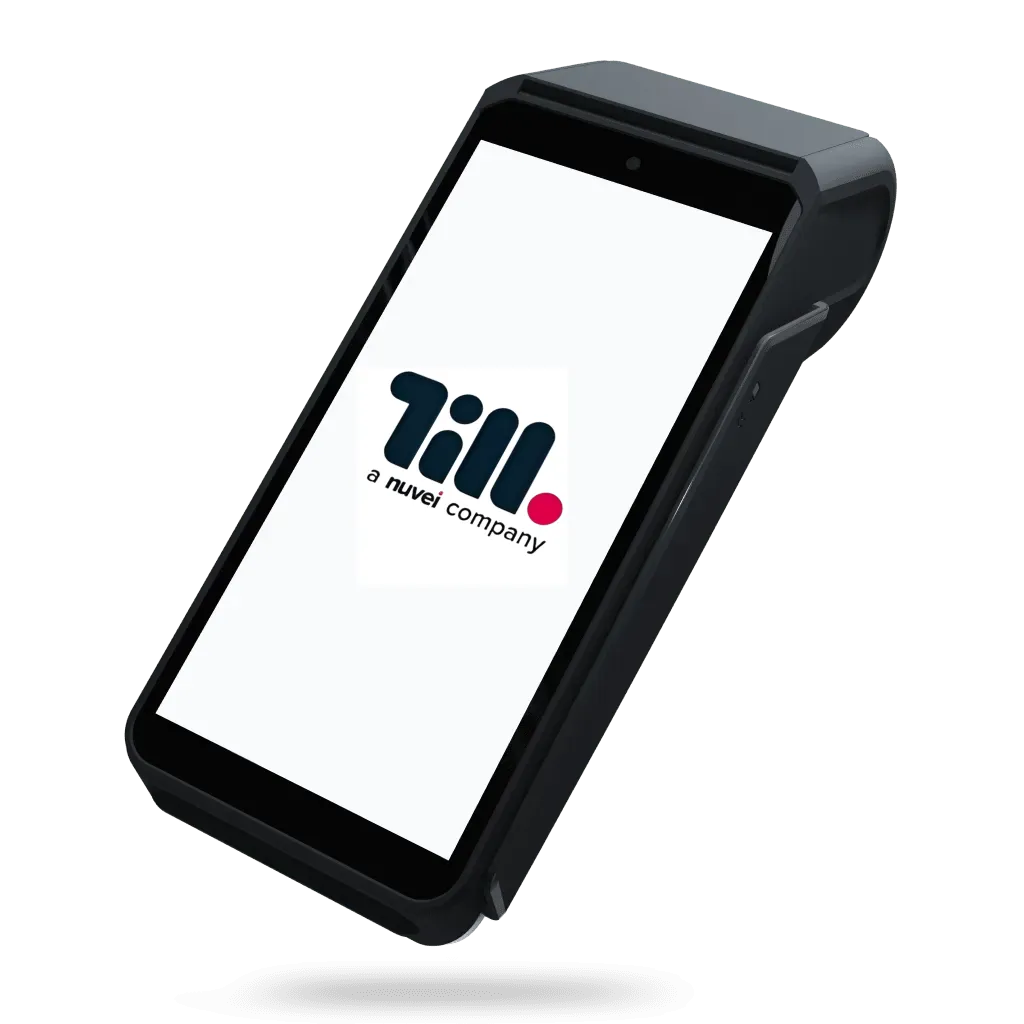
An EFTPOS terminal in Australia is a card payment device that accepts tap, chip, and swipe transactions via the global EFTPOS network and the domestic eftpos system. Transaction fees typically range from 1.4% to 1.6%, with terminals costing $99–$349 to buy or $19–$29 per month to rent. No-lock-in plans are widely available for small businesses.
If you're comparing eftpos terminals in Australia right now, you'll find dozens of options — from bank-issued countertop devices to smart 4G handhelds. The challenge isn't finding a terminal. It's finding the right one for your business type, transaction volume, and budget — without locking yourself into a contract that costs you more over time.
This guide cuts through the noise. It covers how eftpos terminals work in Australia, what they cost, how fees are structured, and what to look for before you sign anything.
What Is an EFTPOS Terminal and How Does It Work in Australia?
An EFTPOS terminal processes electronic card payments at the point of sale. In Australia, there are two distinct systems at play — and understanding the difference matters for your fees and settlement.
The global EFTPOS system is the technology standard used worldwide — it refers to any electronic funds transfer at point of sale. The domestic eftpos network (lowercase, stylised) is run by eftpos Payments Australia Ltd and is specific to Australia. It's the network that processes transactions made with Australian debit cards via the eftpos scheme, typically attracting lower interchange fees than Visa or Mastercard.
When a customer taps, inserts, or swipes their card, here's what happens:
- The terminal reads the card data
- The payment is sent to the merchant's payment processor
- The processor routes the transaction through the relevant card network (eftpos, Visa, Mastercard, or Amex)
- The issuing bank authorises or declines the transaction
- Funds are settled into your merchant account — typically same-day or next business day, depending on your provider
Settlement timing matters. A café processing $3,000 in daily transactions wants those funds available the next morning. A retail store running tight inventory cash flow can't afford to wait 48–72 hours. This is why settlement speed should be on your checklist when comparing providers.
According to Australian Payments Network (AusPayNet), card payments now account for the overwhelming majority of consumer transactions in Australia, with contactless payments representing more than 95% of in-person card transactions. Australian consumers have firmly moved away from cash, which means your card payment terminal isn't optional — it's essential infrastructure.
Types of EFTPOS Terminals Available in Australia
There are four main categories of eftpos terminals available in Australia. The right choice depends on how and where you run your business.
1. Countertop Terminals
Best for: Retail shops, salons, medical clinics, reception desks
Countertop terminals sit at a fixed checkout point and connect via ethernet or Wi-Fi. They're reliable, fast, and suited to businesses where customers come to you. A hair salon in Brisbane, for example, books every appointment in advance and needs a dependable terminal at reception — a countertop device ticks every box.
2. Portable Terminals
Best for: Restaurants, cafés, table-service venues
Portable terminals connect to your Wi-Fi network and allow staff to bring the payment device to the customer. This is the standard setup for table-service hospitality — customers pay at the table rather than walking to a counter. Battery life typically runs 8–12 hours, covering a full service shift.
3. Mobile (4G) Terminals
Best for: Market stalls, tradies, food trucks, delivery drivers, pop-up retailers
Mobile terminals use 4G connectivity and operate entirely without Wi-Fi. They're the go-to choice for any business that moves. A weekend market vendor processing 80+ transactions across a Saturday needs a terminal with all-day battery life and reliable connectivity — a 4G mobile eftpos terminal is the only practical solution.
4. Smart POS Touchscreen Devices
Best for: Businesses wanting an all-in-one payment and management hub
Smart terminals combine a touchscreen interface with eftpos payment processing, sales reporting, and sometimes inventory management. They're increasingly popular with small hospitality and retail operators who want to consolidate tools. Think of them as a tablet and payment terminal merged into one device.
Key Features to Look For in an EFTPOS Terminal
The right eftpos machine for your small business should score well across six criteria — not just transaction rate.
1. Build Quality and Battery Life
A terminal that drops out mid-service or dies at 2pm on a Saturday is a business problem, not just an inconvenience. Look for IP-rated durability ratings and batteries rated for 500+ transactions per charge.
2. Transaction Fees
This is the biggest ongoing cost. Rates between 1.4% and 1.6% are typical across the Australian market. Watch for tiered pricing — some providers charge different rates depending on card type (debit vs. credit, domestic vs. international). A transparent flat rate is easier to manage and forecast.
3. Value-Added Extras
Does the terminal integrate with your existing software? Does it support online payments, tipping prompts, split billing, or sales reporting? A payment device that also feeds data into your accounting software saves hours each week.
4. Contract Terms
This is where many businesses get caught. A 24-month lock-in with a $400 cancellation fee is a serious commitment. No-lock-in plans exist — and they're worth seeking out.
5. Sign-Up Transparency
Are the fees clearly stated upfront? Are there hidden rental fees, monthly minimums, or PCI compliance charges buried in the fine print? Transparent providers show you the full cost before you commit.
6. Customer Support
When your terminal stops working during a busy Friday night service, you need help fast. Look for Australian-based support with extended hours, not just an overseas call centre with limited availability.
APS is built around these criteria — serving hospitality, retail, health, and service businesses across Australia with straightforward pricing and flexible terms.
How EFTPOS Fees Work — and What They Actually Cost Your Business
EFTPOS fees in Australia typically fall into three categories: transaction rates, terminal costs, and ancillary fees.
Transaction Rates
The industry range sits between 1.4% and 1.6% per transaction, though this varies by provider and card type. Square charges a flat 1.6% per tap, dip, or swipe. Zeller offers 1.4% per transaction. Some bank-linked providers offer lower rates but offset this with higher monthly rental costs.
| Provider Type | Typical Transaction Rate | Contract |
|---|---|---|
| Bank-issued terminal | 1.1%–1.5% + monthly fees | 24–48 months |
| Square | 1.6% flat | No lock-in |
| Zeller | 1.4% | No lock-in |
| APS | Competitive flat rate | No lock-in |
| PayNuts | Surcharge-based (0% to merchant) | Flexible |
Terminal Costs
- Buy outright: $99–$349 depending on terminal type
- Rent/lease: $19–$29 per month
Buying makes financial sense if you're settled in a location and know your transaction volume. Renting reduces upfront cost and often includes device replacement if something goes wrong.
Other Fees to Watch
- PCI compliance fees — some providers charge $10–$15/month for this
- Monthly minimums — if you don't hit a minimum transaction volume, some providers add a fee
- Chargeback fees — typically $15–$25 per disputed transaction
- International card surcharges — often 0.2%–0.5% on top of standard rates
Surcharging is another tool available to Australian merchants. Under RBA guidelines, you can pass your cost of acceptance on to the customer — but you cannot surcharge more than your actual cost. More on this in the next section.
The clearest signal of a trustworthy provider is simple: they show you all fees upfront, in writing, before you sign.
Surcharging, Settlements and Refunds Explained
Surcharging is legal in Australia, but it comes with strict rules. The Reserve Bank of Australia's "cost of acceptance" rule means you can only surcharge customers up to the amount it costs you to accept that card. Excessive surcharging is enforced by the ACCC under the Competition and Consumer Act.
How Surcharging Works in Practice
A Melbourne café owner pays 1.5% per transaction. They can apply a 1.5% surcharge to card payments — not 2.5%, not a flat $1. The surcharge must reflect actual cost, and many point-of-sale systems apply this automatically.
This is particularly useful during peak periods. A busy Saturday brunch service with 200+ card transactions effectively runs at zero cost to the merchant if surcharging is correctly applied. The key is keeping your surcharge percentage aligned with your actual transaction rate, reviewed at least annually.
Same-Day vs. Next-Day Settlement
Settlement speed directly affects cash flow:
- Same-day settlement — funds hit your account the same business day (usually for transactions before a daily cut-off, often 5–6pm AEST)
- Next-business-day settlement — the standard for most providers; transactions process overnight
- T+2 settlement — some older bank arrangements settle 2 business days later, which is increasingly uncommon
For hospitality and retail businesses with tight daily cash flow, same-day or next-business-day settlement isn't a luxury — it's a practical necessity.
Processing Refunds
Refunds on eftpos terminals are straightforward: the merchant initiates the refund on the terminal, the customer taps or inserts their card, and the amount is returned to the original payment method. Most providers process refunds within 3–5 business days, though the refund is initiated immediately. Transaction fees are typically not returned to the merchant when a refund is processed.
EFTPOS Terminals That Integrate With Your POS System
POS integration means your eftpos terminal and your point-of-sale software communicate directly. When a staff member enters a $42.50 order in your POS, that amount is automatically sent to the terminal — the customer taps or inserts, and the payment confirmation comes back to the POS without anyone manually typing an amount.
Without integration, your staff key the amount into the terminal manually. Every manual entry is a potential error. A $42.50 becomes $4.25, or $4,250. Both scenarios cause problems.
Common Integration Methods
- Cloud-based API integration — the most flexible, works across devices
- Semi-integrated — terminal talks to POS via a local connection (often ethernet or Bluetooth)
- Fully integrated — terminal and POS share a single hardware platform (common in smart terminal setups)
Leading payment providers in Australia offer 600+ POS integrations, covering software used in restaurants, retail, health practices, gyms, and service businesses. Before choosing a terminal, confirm it integrates with the specific POS software you already use — not just "most systems."
Popular Australian POS software you should check compatibility with:
- Lightspeed
- MYOB
- Xero
- Deputy
- Kounta / Lightspeed Restaurant
- Vend (now Lightspeed Retail)
APS supports integration with a broad range of POS systems used by Australian merchants, making it a practical choice for businesses that don't want to switch their existing software stack.
Contract Lock-In vs. Flexible Plans — What Australian Businesses Should Demand
Lock-in contracts are a major hidden cost for small businesses. Many businesses sign a 24-month or 36-month agreement with a bank or terminal provider, not fully reading the cancellation terms. When they want to leave — because they've grown, changed location, or found a better rate — the exit fee can run into hundreds of dollars.
What Lock-In Contracts Typically Include
- Minimum term: 12 to 48 months
- Early termination fee: $150–$500+ depending on time remaining
- Automatic renewal clauses: contracts that roll over unless cancelled within a narrow window (often 30–60 days before expiry)
- Price adjustment rights: some contracts allow the provider to change fees mid-term
Consider a café owner in Melbourne who signed a 24-month agreement with a bank-issued terminal. At month 14, they found a no-lock-in provider offering a lower transaction rate and same-day settlement. The early exit cost was $280. They weighed it against the savings over the remaining 10 months and ultimately switched — but they paid a penalty they wouldn't have faced with a flexible plan from the start.
What a No-Lock-In Plan Looks Like
Providers like Square, Zeller, PayNuts, and APS offer plans without minimum terms. You pay for what you use. If your business changes, you're not trapped.
| Feature | Bank Lock-In | No-Lock-In Providers |
|---|---|---|
| Minimum term | 24–48 months | None |
| Exit fee | $150–$500+ | None |
| Rate changes | Possible mid-term | Typically fixed or clearly communicated |
| Terminal ownership | Rented, returned on exit | Often purchased outright |
| Flexibility | Low | High |
What to check before signing any eftpos agreement:
- Is there a minimum term? What is it exactly?
- What is the early termination fee, in dollars?
- Can the provider change rates during the contract?
- What is the auto-renewal notice window?
- Who owns the terminal at end of contract?
No legitimate provider will refuse to answer these questions in writing before you sign.
Why APS Is a Smart Choice for Australian Businesses Needing an EFTPOS Terminal
APS brings together everything that matters to Australian small businesses: competitive fees, flexible terms, and genuine support for the industries that need it most.
Whether you run a hospitality venue in Sydney, a retail shop in Perth, a medical practice in Brisbane, or a mobile service business anywhere in Australia, the payment infrastructure underneath your business needs to work without friction.
Here's what positions APS as a standout choice for eftpos terminals in Australia:
- No lock-in contracts — you're not committed to a long-term agreement you might regret
- Transparent pricing — transaction rates and fees are clearly disclosed upfront
- Support for Australian merchants — experience across hospitality, retail, health, and service industries
- Compliance with RBA surcharging rules — so you can apply surcharging correctly and legally
- POS integration capability — works alongside the software your business already uses
- Terminals for every setup — countertop, portable, mobile 4G, and smart POS options
For a weekend market vendor needing 4G reliability and all-day battery, or a restaurant looking for portable devices that integrate with their kitchen management system, APS has the terminal and the plan to match.
The card payment terminal Australia businesses rely on should be simple, reliable, and cost-effective — not a long-term liability buried in small print.
Get the Right EFTPOS Terminal for Your Australian Business
Choosing the right card payment terminal comes down to four things: the right device for your setup, transparent fees, no lock-in commitment, and a provider that knows Australian payments.
APS delivers all four. Whether you're setting up your first terminal or replacing an overpriced bank contract, APS makes the process straightforward — with honest pricing, flexible plans, and real support for Australian merchants across hospitality, retail, health, and beyond.
Visit [aps.business](https://aps.business) to compare terminal options and get started today.


