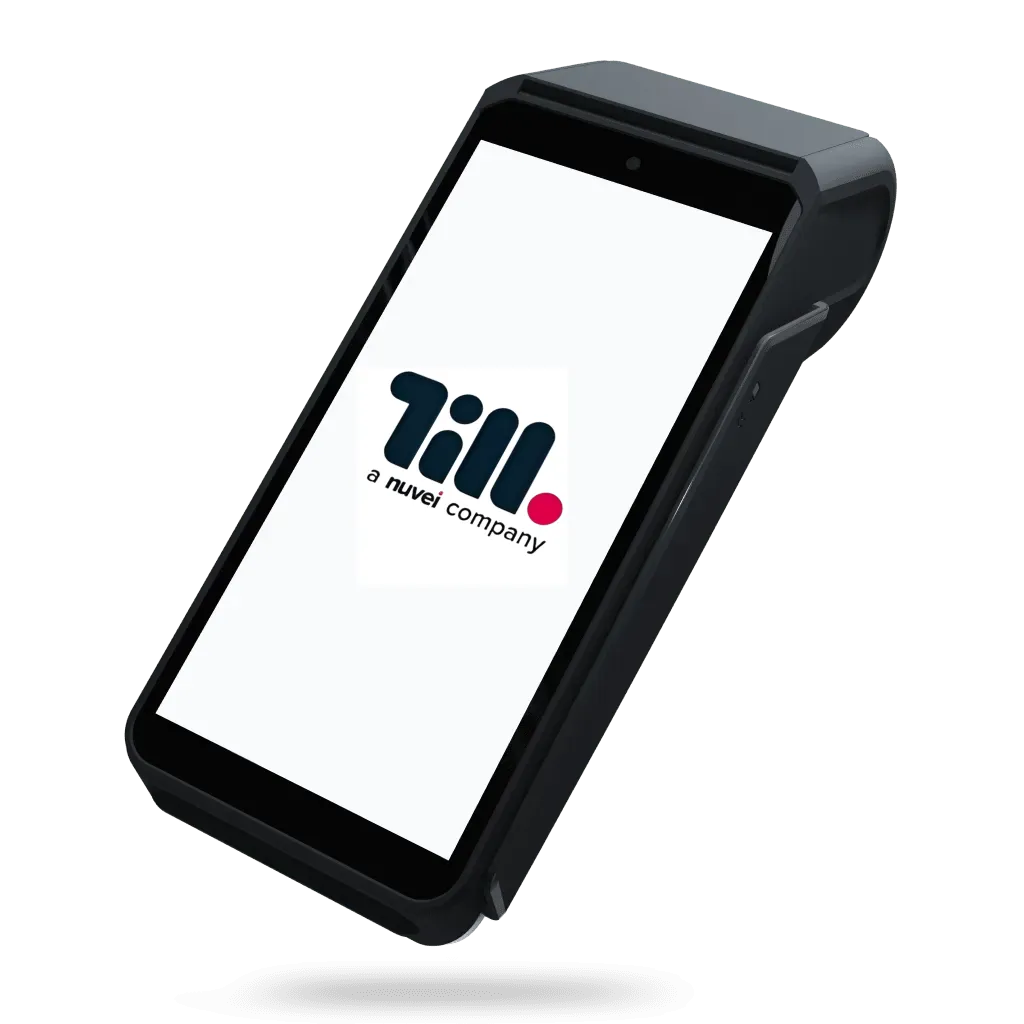
An EFTPOS terminal in Australia is a card payment device that accepts tap, chip, and swipe transactions via the global EFTPOS network and the domestic eftpos system. Transaction fees typically range from 1.4% to 1.6%, with terminals costing $99–$349 to buy or $19–$29 per month to rent. No-lock-in plans are widely available for small businesses.
If you're running a café, retail shop, salon, or mobile business, choosing the right EFTPOS terminal in Australia directly affects your cash flow, customer experience, and bottom line. This guide cuts through the noise to explain exactly what to look for — and what to avoid — in 2026.
What Is an EFTPOS Terminal and How Does It Work in Australia?
An EFTPOS terminal is a card payment device that processes transactions electronically at the point of sale. In Australia, there are two distinct systems sharing a similar name — and confusing them is one of the most common mistakes merchants make.
The global term "EFTPOS" (Electronic Funds Transfer at Point of Sale) refers broadly to any terminal that processes card payments. The domestic "eftpos" network — operated by eftpos Payments Australia Ltd — is the local card network that processes debit card transactions directly between Australian banks. When a customer taps a Visa or Mastercard debit card, the transaction can route through either the international scheme or the domestic eftpos network, depending on the terminal configuration.
Here's how a typical transaction works step by step:
- Customer presents card — tap (contactless), chip (insert), or swipe
- Terminal reads card data — securely encrypted at point of contact
- Transaction is authorised — routed through the payment network in seconds
- Merchant receives approval — customer gets a receipt
- Settlement occurs — funds transferred to your business account, typically same-day or next business day
According to the Australian Payments Network (AusPayNet), card payments now account for the vast majority of in-person retail transactions in Australia — with contactless payments dominating at the checkout. For Australian businesses, having a reliable, compliant card payment terminal is no longer optional.
Types of EFTPOS Terminals Available in Australia
There are four main types of EFTPOS terminals available in Australia, each suited to different business environments. Choosing the wrong type can mean a dead battery mid-service, tangled cords in the wrong setting, or paying for features you don't need.
Countertop Terminals
Designed for a fixed checkout position with a constant power supply. Ideal for:
- Hair salons and beauty businesses — customers pay at the reception desk after their appointment
- Retail stores — consistent traffic at a defined till point
- Pharmacies and medical clinics — high-volume, stationary transactions
Portable (Bluetooth) Terminals
Connect wirelessly to a base station within a set range — usually 30–100 metres. Ideal for:
- Restaurants and cafés — wait staff can bring the terminal to the table
- Hotels and accommodation — process payments at reception or in-room
- Cellar door and hospitality venues — move between spaces without losing connectivity
Mobile (4G) Terminals
Operate entirely on a mobile data connection — no Wi-Fi or base station required. Ideal for:
- Weekend market vendors — reliable 4G connectivity is critical when processing 80+ transactions on a Saturday with no fixed internet connection
- Tradies and mobile services — plumbers, electricians, and cleaners who invoice and collect on the spot
- Food trucks — payment processing wherever the truck parks
Smart POS Touchscreen Devices
All-in-one devices that combine a full-colour touchscreen, app ecosystem, receipt printer connectivity, and EFTPOS processing in a single unit. Ideal for:
- Hospitality businesses wanting a streamlined front-of-house setup
- Retailers needing built-in inventory or loyalty features
- Growing businesses that want a scalable single device instead of separate hardware
APS offers terminal options across all four categories, matched to the specific needs of Australian businesses across hospitality, retail, health, and service industries.
Key Features to Look For in an EFTPOS Terminal
The right EFTPOS terminal for your Australian business comes down to six specific criteria — and most business owners only check one or two before signing up.
Here's what actually matters:
1. Build Quality and Battery Life
A terminal that dies at 2pm during a lunch rush is a business problem, not just a tech problem. Look for:
- All-day battery — minimum 8 hours for portable and mobile terminals
- Drop-tested casing — especially important in busy café and hospitality environments
- Screen readability — both indoors and in outdoor/market settings
2. Transaction Fees
Even a 0.2% difference in transaction rate becomes significant at volume. A business processing $30,000 per month pays $60 more per month — $720 per year — at 1.6% versus 1.4%.
3. Value-Added Features
Modern terminals do more than process payments. Look for:
- Online payment integration — so your in-person and ecommerce payments are managed in one place
- Reporting dashboards — real-time transaction data, daily summaries, and reconciliation tools
- Multi-user access — useful for businesses with multiple staff or locations
4. Contract Terms
This is where many Australian businesses get caught. Always check:
- Minimum term length — some bank-issued terminals lock you in for 24–36 months
- Exit fees — can run into hundreds of dollars
- Rate lock guarantees — does your rate change at the provider's discretion?
5. Sign-Up Transparency
Legitimate providers give you clear pricing upfront — no hidden setup fees, no vague "rates from" language. If you can't find the full fee schedule before signing, that's a red flag.
6. Customer Support
In Australia, most businesses need support during business hours and often on weekends. Check whether support is:
- Available by phone (not just email or chat)
- Based in Australia
- Available 7 days a week
[APS](https://aps.business) addresses all six of these criteria with transparent pricing, flexible plans, and dedicated support for Australian merchants across hospitality, retail, health, and services.
How EFTPOS Fees Work — and What They Actually Cost Your Business
EFTPOS fees in Australia typically range from 1.4% to 1.6% per transaction, depending on the provider and your monthly volume. Understanding the full fee structure — not just the headline rate — is what separates a good deal from an expensive mistake.
Transaction Rate Comparison
| Provider Type | Typical Rate | Contract Term | Monthly Fee |
|---|---|---|---|
| Major bank terminal | 1.5%–1.8% | 24–36 months | $30–$45/month |
| Square | 1.6% (flat) | No lock-in | Included in rate |
| Zeller | 1.4% | No lock-in | $0 (device purchase) |
| PayNuts | Varies | No lock-in | Varies |
| APS | Competitive | No lock-in | Transparent pricing |
Always request a full fee schedule — including monthly fees, batch settlement fees, and chargeback fees — before comparing rates.
Terminal Cost: Buy vs. Rent
- Purchase: $99–$349 upfront depending on the terminal type. You own the device outright — no ongoing rental cost.
- Rental: $19–$29 per month. Lower upfront cost but adds up over time — $228–$348 per year with nothing to show for it at contract end.
For most small businesses processing consistent volume, purchasing outright delivers better long-term value.
How Settlement Timing Affects Cash Flow
Settlement timing — how quickly your sales revenue lands in your bank account — directly affects cash flow management. Most providers offer:
- Same-day settlement — funds arrive in your account the same business day (before a cut-off time)
- Next business day settlement — funds arrive the following business day
For hospitality businesses running tight cash flow over a weekend, a same-day settlement option is a meaningful operational advantage.
The Reserve Bank of Australia (RBA) provides guidance on payment system transparency and cost-of-acceptance standards that directly affect how providers should disclose their fees to merchants.
Surcharging, Settlements and Refunds Explained
Australian businesses can legally pass transaction costs on to customers via a surcharge — but only up to the actual cost of acceptance, as enforced by the ACCC under RBA guidelines.
How Surcharging Works
The RBA's surcharging framework sets a clear rule: merchants can surcharge, but the surcharge cannot exceed the merchant's actual cost to accept that payment method. The ACCC enforces these rules and can act against businesses that apply excessive surcharges.
Practical example: A Melbourne café with a 1.5% transaction rate can apply a 1.5% surcharge on card payments. They cannot apply a 3% surcharge — that would exceed their cost of acceptance and expose them to ACCC action.
Surcharging is particularly useful during peak trading periods where transaction volumes are high and margins are tight. A café turning over $15,000 in a weekend can offset $225 in transaction fees by passing the cost to customers transparently.
Same-Day vs. Next-Day Settlement
| Business Type | Why Settlement Timing Matters |
|---|---|
| Café / restaurant | Weekend cash flow — wages paid Monday |
| Retail store | Stock reordering and supplier payments |
| Salon / beauty | Weekly wage runs require predictable cash flow |
| Market vendor | Single-day trading — immediate settlement preferred |
Processing Refunds
Refunds on EFTPOS terminals in Australia are straightforward:
- Locate the original transaction in your terminal or payment dashboard
- Initiate the refund to the original card
- Funds return to the customer's account within 3–5 business days (depending on the issuing bank)
- The transaction fee on the original payment is typically not refunded by the processor
A clean refund process — accessible from both the terminal and a back-office dashboard — reduces staff errors and customer disputes.
EFTPOS Terminals That Integrate With Your POS System
POS integration means your EFTPOS terminal communicates directly with your point-of-sale software — so the sale amount flows automatically to the terminal without staff manually entering it.
Without integration, staff key in the transaction amount manually. That introduces human error — wrong amounts, missed sales, and reconciliation headaches at end of day.
With integration, the workflow looks like this:
- Staff complete the sale in the POS software
- The amount pushes automatically to the EFTPOS terminal
- Customer taps or inserts their card
- Approval flows back to the POS and closes the transaction
- End-of-day reconciliation matches automatically
Why Integration Matters by Business Type
- Restaurants: Integration with a table management or ordering system means split bills and course-by-course payments work seamlessly
- Retail: Inventory updates in real time when a sale is confirmed — no separate stock adjustments needed
- Health clinics: Patient billing integrates with appointment and invoicing software, reducing admin time
Leading payment providers offer 600+ POS integrations, covering the most widely used restaurant, retail, and service software platforms in Australia. Before choosing a terminal, confirm it integrates with the specific POS software your business already uses — or plans to use.
APS supports integration with a broad range of POS systems used by Australian merchants in hospitality, retail, and health sectors.
Contract Lock-In vs. Flexible Plans — What Australian Businesses Should Demand
The single most expensive mistake Australian small businesses make with EFTPOS terminals is signing a long-term contract without understanding the exit terms.
Bank-issued terminals — such as those from Westpac's Presto or Commonwealth Bank's Albert — commonly come with 24–36 month minimum terms. Exiting early can trigger fees ranging from a few hundred dollars to the full remaining contract value.
What to Check Before Signing
| Contract Element | What to Look For |
|---|---|
| Minimum term | Is it 12, 24, or 36 months? |
| Early exit fee | Fixed amount or remaining-contract calculation? |
| Rate change rights | Can the provider change your rate mid-contract? |
| Equipment ownership | Do you own the terminal at contract end, or return it? |
| Automatic renewal | Does the contract roll over silently if not cancelled? |
No-Lock-In Alternatives
Providers like Square, Zeller, PayNuts, and APS all offer flexible, no-lock-in plans that give Australian businesses the freedom to switch if their needs change or a better option emerges.
Real-world example: A café owner in Melbourne on a 24-month bank-issued terminal contract was paying $39/month in rental fees plus 1.75% per transaction. By switching to a no-lock-in plan at contract end — purchasing a terminal outright and paying a lower transaction rate — she saved over $1,200 in her first year.
No-lock-in does not mean no commitment to quality. The better flexible providers compete on service, support, and pricing rather than locking merchants in contractually. That's a model that works in your favour as a business owner.
The rule is simple: never sign a terminal contract without knowing exactly what it costs to leave. If a provider won't tell you clearly, walk away.
Why APS Is a Smart Choice for Australian Businesses Needing an EFTPOS Terminal
APS is a merchant payment solutions provider built specifically for Australian businesses — combining transparent pricing, flexible contracts, and terminal options that match the real demands of hospitality, retail, health, and service industries.
Here's what makes APS stand out when you stack it against the full criteria:
- No lock-in contracts — you're not trapped if your circumstances change
- Transparent fee structure — full pricing disclosed upfront, no hidden fees
- Terminal options across all categories — countertop, portable, mobile, and smart POS
- POS integration support — works with the software Australian businesses already use
- Compliance with RBA surcharging rules — so you can surcharge correctly and confidently
- Support for Australian merchants — across Melbourne, Sydney, Brisbane, Perth, Adelaide, and regional areas
Whether you're a weekend market vendor needing all-day mobile 4G performance, a busy restaurant needing tableside portable terminals, or a growing retail business wanting a smart POS with full reporting — APS has a solution matched to your trading environment.
The EFTPOS terminal market in Australia has more options than ever in 2026. The businesses that get the best outcome are those that compare on the full picture: rates, contract terms, support, integration, and long-term flexibility — not just the headline device cost.
Ready to Find the Right EFTPOS Terminal for Your Business?
Choosing the right EFTPOS terminal in Australia means matching the device type to your trading environment, understanding the full fee structure, and choosing a provider with flexible terms and real support. Don't sign a long-term contract until you've compared the full picture.
[APS](https://aps.business) makes it straightforward for Australian businesses to get set up with the right card payment terminal — no lock-in, transparent pricing, and support built around how your business actually operates.
Visit aps.business today to explore terminal options, compare plans, and get your business accepting card payments with confidence in 2026.


