Contactless Payments for Faster Service & Higher Sales in Retail
The way Australians pay has changed dramatically over the past decade, and the contactless payments benefit Australia’s retail and hospitality sectors in more ways than ever before, supported by payment infrastructure and industry expertise from Advanced Payment Solutions. What was once considered a convenience has now become an expectation. Contactless payments are no longer optional; they are a fundamental part of delivering fast service, improving customer satisfaction, and driving higher sales.
Across Australia, consumers increasingly rely on tap-to-pay cards and digital wallets for everyday purchases. As the contactless payments benefit Australia’s modern retail environment, businesses that adopt this technology are better positioned to reduce queues, serve more customers during peak hours, and create a frictionless checkout experience that supports long-term growth.
What Are Contactless Payments and How Do They Work?
Contactless payments enable fast, secure transactions using NFC technology, allowing customers to pay by tapping a card, smartphone, or wearable device on a compatible terminal. These payments eliminate the need for cash handling or card insertion, significantly reducing checkout time. Contactless payments enable fast, secure transactions using NFC technology, allowing customers to pay by tapping a card, smartphone, or wearable device on a compatible terminal. These payments eliminate the need for cash handling or card insertion, significantly reducing checkout time.
What are contactless payments?
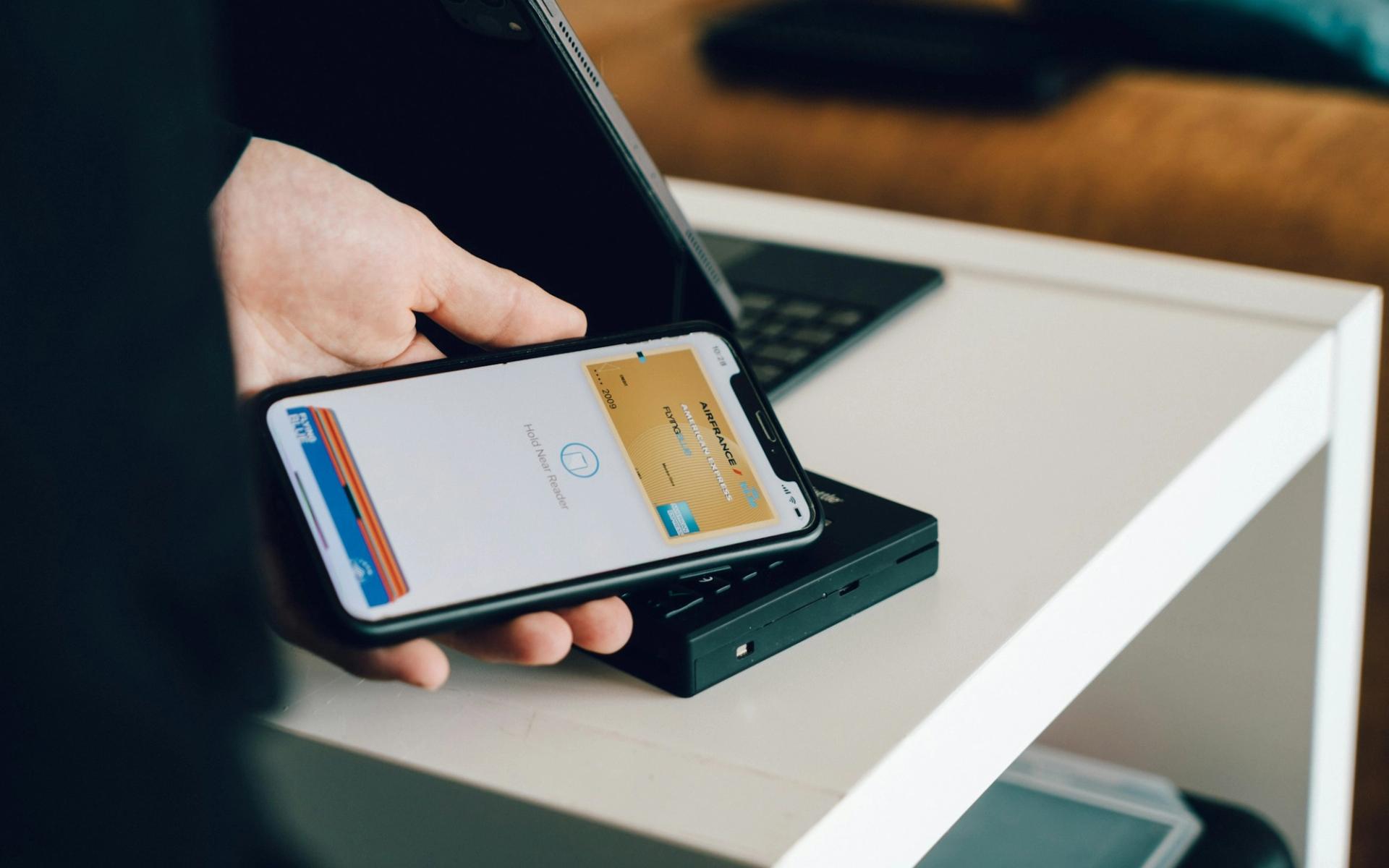
Contactless payments allow customers to complete a transaction by tapping or hovering their card, smartphone, or wearable device near a compatible payment terminal. Instead of inserting a card or handling cash, the transaction is processed wirelessly within seconds.
For low-value transactions, no PIN entry or signature is required, making the checkout process significantly faster. This simplicity is a key reason why contactless payments have become the preferred method for many Australian consumers.
How NFC technology enables tap-to-pay
Contactless payments rely on Near Field Communication (NFC) technology. NFC allows two devices, such as a payment terminal and a card or smartphone, to exchange encrypted information when they are within proximity.
When a customer taps their card or device:
- The terminal detects the NFC signal.
- Encrypted payment data is transmitted securely.
- The transaction is verified and approved within seconds.
This process happens quickly and securely, without the need for physical contact, which contributes to faster service and improved hygiene in retail environments.
Types of contactless payments in Australia
Australian retailers typically support multiple forms of contactless payments, ensuring flexibility for customers.
Debit & credit cards
Most modern debit and credit cards issued in Australia are contactless enabled. Customers can tap their card directly on the terminal to complete a transaction.
Mobile wallets (Apple Pay, Google Pay, Samsung Pay)
Digital wallets allow customers to store payment credentials securely on their smartphones or wearable devices. These wallets often provide added convenience and security through biometric authentication, such as fingerprint or facial recognition.
Why Contactless Payments Are Growing Rapidly in Australia
Australia has seen rapid adoption of contactless payments due to high smartphone usage, advanced banking infrastructure, and strong consumer preference for convenience.
Digital wallet adoption trends across Australia
Australia is one of the leading markets globally for contactless payment adoption, supported by widespread use of the card payments terminal across retail environments. Smartphone penetration and reliable mobile infrastructure have accelerated the use of digital wallets across metropolitan and regional areas alike.
Consumers increasingly prefer to carry fewer physical cards, relying instead on their phones or smartwatches for daily transactions. This trend has pushed retailers to ensure their payment systems are compatible with a wide range of contactless options through a modern card payments terminal.
Changing consumer expectations around speed
Modern consumers value speed and convenience. Long queues and slow checkout processes can negatively impact the shopping experience, particularly during busy periods.
Contactless payments address this issue by:
- Reducing transaction times
- Minimizing steps at checkout
- Allowing staff to process payments more efficiently
As expectations around instant service grow, retailers that fail to offer fast payment options risk frustrating customers and losing sales.
Impact of COVID on long-term payment behavior
The COVID-19 pandemic significantly accelerated the shift toward contactless payments. Concerns around hygiene and physical contact led many consumers to avoid cash and traditional card handling.
Even as restrictions eased, these new habits persisted. Contactless payments are now viewed as safer, cleaner, and more convenient, making them the default choice for many Australians.
Key Benefits of Contactless Payments for Retail Businesses
Contactless payments deliver clear operational and customer experience benefits for retailers. Faster transactions reduce queues, improve store flow, and allow staff to serve more customers efficiently.
Faster checkout and reduced queue times
One of the most immediate benefits of contactless payments is speed. Transactions are completed in seconds, which reduces congestion at checkout counters.
Shorter queues lead to:
- Improved customer flow
- Less frustration during peak times
- A smoother overall shopping experience
This is especially valuable for retailers with high transaction volumes, such as convenience stores and quick-service outlets.
Improved customer satisfaction and experience
A seamless payment experience contributes directly to customer satisfaction. When checkout is fast and effortless, customers are more likely to leave with a positive impression of the business.
Contactless payments eliminate common pain points such as:
- Searching for cash
- Entering PINs for small purchases
- Handling changes or receipts unnecessarily
Increased transaction throughput during peak hours
During busy periods, the ability to process more transactions per hour can significantly impact revenue. Contactless payments allow staff to serve more customers without compromising service quality.
This increased throughput is particularly important for retailers operating with limited space or staff during high-traffic times.
How Contactless Payments Drive Higher Retail Sales
The speed and convenience of contactless payments directly support higher sales performance. Faster checkouts reduce abandoned purchases, while the ease of tap-to-pay encourages impulse buying and repeat transactions.
Faster transactions reduce abandoned purchases
Long wait times are a leading cause of abandoned purchases. Customers pressed for time may leave without completing a transaction if queues move too slowly.
By reducing checkout friction, contactless payments help ensure that more customers complete their purchases, directly supporting higher sales volumes.
Encouraging impulse buying with tap-to-pay
Impulse purchases are often driven by convenience. When payment is quick and effortless, customers are more likely to add extra items to their basket.
Contactless payments reduce the psychological barrier associated with spending, particularly low-value purchases, which can lead to increased transaction frequency.
Higher average transaction values
Studies across retail environments have shown that customers tend to spend slightly more when using contactless payment methods. The ease of tapping to pay removes friction and makes purchasing decisions feel simpler and faster.
Over time, these incremental increases in transaction value can have a meaningful impact on overall revenue.
Choosing the Right Contactless EFTPOS Terminal
Selecting the right contactless EFTPOS terminal is critical for delivering a smooth payment experience. Retailers should prioritize terminals that support NFC payments, digital wallets, and seamless POS integration.
Essential features for modern retail EFTPOS
A modern contactless-enabled terminal should support:
- NFC payments
- Multiple card types
- Digital wallets
- Fast transaction processing
Reliability and ease of use are critical to ensuring smooth daily operations.
Mobile vs countertop terminals
Retailers can choose between mobile and countertop terminals depending on their environment.
Mobile terminals offer flexibility for:
- Line-busting during peak times
- Table-side payments
- Pop-up or temporary retail setups
Countertop terminals are well suited to fixed checkout counters where transactions occur at a single point.
Digital wallet and POS compatibility
Payment terminals should integrate seamlessly with existing point-of-sale systems. Compatibility ensures accurate transaction records, smoother reconciliation, and better visibility into sales data.
Best Practices for Implementing Contactless Payments
Successful implementation of contactless payments requires more than just the right technology.
Staff training and onboarding
Staff should be trained to confidently process contactless payments and assist customers who may be unfamiliar with technology. Clear procedures help avoid delays and errors at checkout.
Customer education and in-store signage
Visible signage indicating that contactless payments are accepted encourages adoption and reassures customers. Simple prompts near the checkout can significantly improve usage rates.
Optimizing checkout layout for faster taps
Checkout design plays an important role in transaction speed. Ensuring terminals are easily accessible and positioned correctly allows customers to tap quickly without confusion.
The Future of Contactless Payments in Australian Retail
Contactless payments will continue to evolve as mobile-only wallets, wearable devices, and data-driven insights become more common.
Growth of mobile-only and wearable payments
As wearable technology becomes more common, contactless payments are expanding beyond smartphones and cards. Smartwatches and other devices are increasingly used for everyday purchases.
Cashless retail trends in Australia
While cash is still in circulation, many Australian retailers are moving toward predominantly cashless operations. Contactless payments form the foundation of this transition by offering speed, security, and convenience.
AI-driven insights from payment data
Advanced payment systems can generate valuable insights from transaction data. Retailers can use this information to understand customer behavior, optimize staffing, and improve store layouts.
Conclusion
Contactless payments have transformed the retail experience in Australia. What began as a convenience has become a standard expectation, shaping how customers interact with businesses every day.
For retailers, the benefits extend well beyond faster checkout. Reduced queues, higher customer satisfaction, increased transaction throughput, and improved sales performance all contribute to stronger operational efficiency and long-term growth.
By adopting and optimizing contactless payment solutions, Australian retailers can meet evolving consumer expectations while positioning themselves for the future of digital commerce.
Read more about payment solutions from Advanced Payment Solutions that help retailers adapt to changing customer payment preferences.


