An EFTPOS terminal in Australia is a card payment device that accepts tap, chip, and swipe transactions via the global EFTPOS network and the domestic eftpos system. Transaction fees typically range from 1.4% to 1.6%, with terminals costing $99–$349 to buy or $19–$29 per month to rent. No-lock-in plans are widely available for small businesses.
What Is an EFTPOS Terminal and How Does It Work in Australia?
An EFTPOS terminal is a physical device that processes card payments at the point of sale — but in Australia, "EFTPOS" means two different things, and that distinction matters for merchants.
The term EFTPOS (Electronic Funds Transfer at Point of Sale) is used globally to describe card payment hardware. In Australia, there is also a separate domestic network called eftpos — operated by eftpos Payments Australia Ltd — which processes debit card transactions through local infrastructure, often at lower interchange rates than international card schemes like Visa and Mastercard.
When a customer taps, inserts, or swipes their card:
- The terminal reads the card data
- The payment is routed through the relevant network (eftpos, Visa, or Mastercard)
- The issuing bank authorises the transaction
- Funds are reserved immediately and settled to your merchant account — typically same-day or next business day
Settlement timing matters. A restaurant settling overnight has access to Friday night's revenue by Saturday morning. A retail store on a 48-hour settlement cycle is effectively lending money to its payment provider.
According to the Australian Payments Network (AusPayNet), card payments now account for the vast majority of consumer transactions in Australia, with contactless (tap) payments dominating at the point of sale. For any Australian business serving customers in person, a reliable EFTPOS terminal is no longer optional — it is foundational infrastructure.
Types of EFTPOS Terminals Available in Australia
There are four main categories of EFTPOS terminals available to Australian businesses, and the right choice depends entirely on how and where you trade.
Here is a breakdown of each type matched to a real-world business scenario:
Countertop Terminals
These are fixed, wired terminals that sit on a checkout counter and connect via Ethernet or Wi-Fi. They are the most stable and reliable option for businesses where customers come to you.
Best for: Hair salons, GP clinics, pharmacies, retail stores, and any fixed-counter service business.
Portable Terminals
Portable terminals connect via Wi-Fi or Bluetooth and have a battery life of several hours. Staff can bring the terminal to the table or customer — no cables required.
Best for: Restaurants, cafes, and hospitality venues where tableside payment is expected. A busy café in Melbourne with 15 tables benefits immediately from eliminating the "walk to the counter" payment experience.
Mobile (4G) Terminals
Mobile terminals use a SIM card to process payments anywhere with cellular coverage — no Wi-Fi required. Battery life is typically 8–12 hours with heavy use.
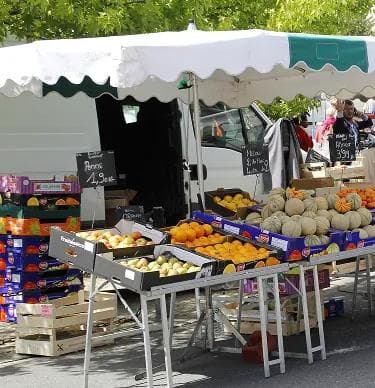
Best for: Market stall operators, trade services, food trucks, and delivery businesses. A weekend market vendor processing 80+ transactions across a Saturday needs a terminal that doesn't rely on borrowed Wi-Fi and doesn't die at 2pm.
Smart POS Touchscreen Devices
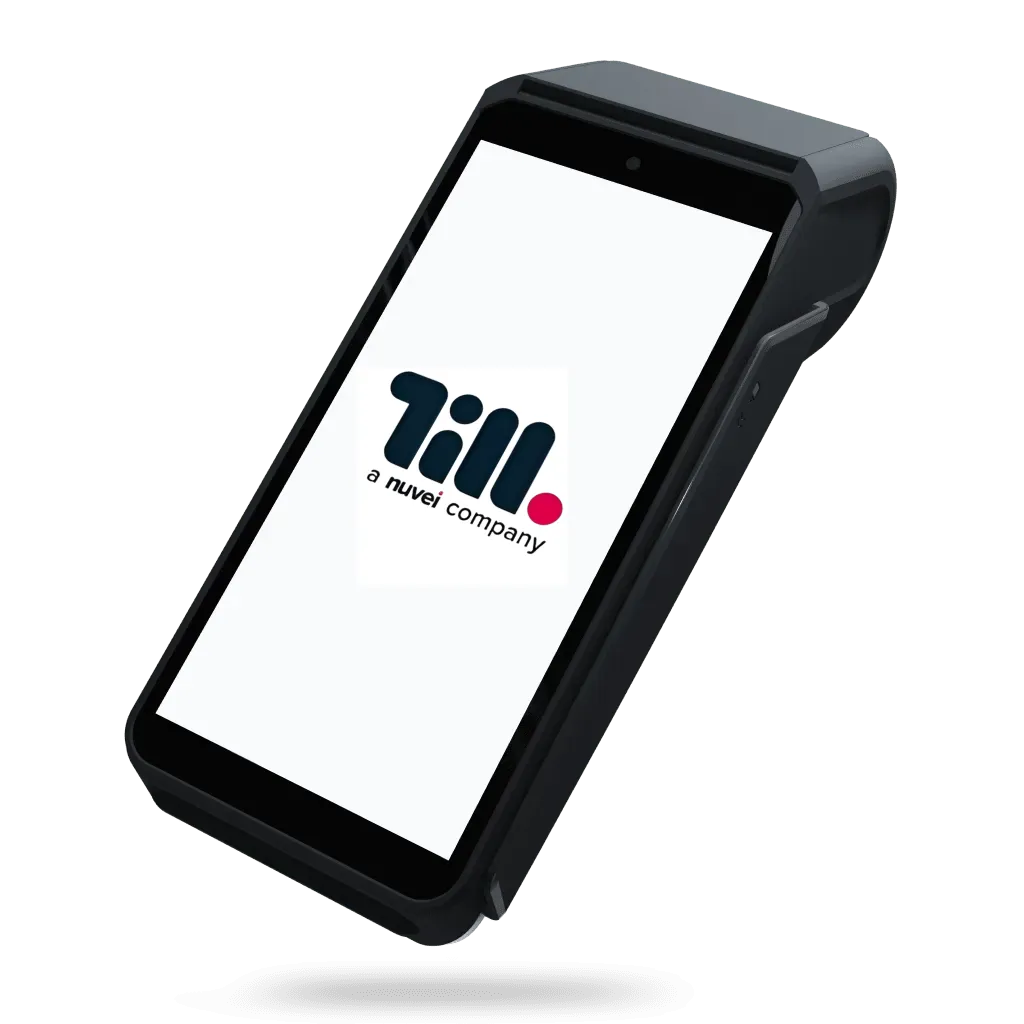
Smart terminals combine a payment terminal with an Android-based touchscreen, running apps for order management, inventory, and reporting. Think of devices like the PAX A920 or similar all-in-one units.
Best for: Growing hospitality and retail businesses that want payment, ordering, and reporting unified in one device.
| Terminal Type | Connectivity | Best For | Approximate Cost |
|---|---|---|---|
| Countertop | Ethernet/Wi-Fi | Salons, clinics, retail | $99–$249 to buy |
| Portable | Wi-Fi/Bluetooth | Restaurants, cafes | $149–$299 to buy |
| Mobile (4G) | SIM/4G | Markets, tradespeople | $199–$349 to buy |
| Smart POS | Wi-Fi/4G | Hospitality, retail | $249–$399+ to buy |
Key Features to Look For in an EFTPOS Terminal
Not all EFTPOS terminals are created equal. Six criteria separate a genuinely useful terminal from one that creates ongoing headaches for your business.
1. Build Quality and Battery Life
A terminal that overheats in a busy kitchen or dies mid-service is a direct revenue problem. Look for IP-rated durability for hospitality environments and a battery capable of a full trading day on a single charge for portable and mobile units.
2. Transaction Fees
This is the number that compounds over time. The difference between 1.4% and 1.7% on $500,000 in annual card turnover is $1,500 per year. Understand exactly what you are paying — flat rate, interchange plus, or blended — before committing.
3. Value-Added Extras
Leading terminals now offer integrated reporting dashboards, online payment links, invoicing, and tipping prompts. These features reduce the number of separate tools a business needs.
4. Contract Terms
This is where many businesses get burned. A 24-month lock-in with a $400 early exit fee is a serious commitment. No-lock-in plans exist and are increasingly the standard among modern providers.
5. Sign-Up Transparency
Legitimate providers make their pricing visible before you sign up. Hidden fees — including PCI compliance fees, gateway fees, and statement fees — should be disclosed upfront.
6. Customer Support
A terminal going offline during a Friday dinner rush is a crisis. Look for providers offering Australian-based support with real response times, not just email ticketing.
APS addresses each of these criteria directly, offering transparent merchant payment solutions across hospitality, retail, health, and service businesses throughout Australia.
How EFTPOS Fees Work — and What They Actually Cost Your Business
EFTPOS fees in Australia typically fall between 1.4% and 1.6% per transaction, but the full cost picture includes terminal rental, surcharging rules, and settlement timing.
Transaction Rates
Providers like Square and Zeller advertise flat rates in the 1.4%–1.7% range. These are blended rates — meaning you pay the same percentage regardless of whether the card is a basic debit card (which costs less to process) or a premium rewards credit card (which costs more).
Interchange-plus pricing is more transparent: you pay the actual network cost plus a fixed margin. For high-volume businesses, this can result in meaningful savings.
Terminal Costs: Buy vs. Rent
| Option | Typical Cost Range | What to Watch For |
|---|---|---|
| Purchase outright | $99–$349 | One-time cost, no ongoing obligation |
| Monthly rental | $19–$29/month | Can cost $460–$700 over 24 months |
| Subsidised with contract | Appears cheap upfront | Usually tied to 12–36 month lock-in |
Buying a terminal outright at $199 saves money versus renting at $25/month after eight months. For established businesses with stable trading volumes, purchasing outright almost always makes more financial sense.
Surcharging to Offset Fees
Under RBA guidelines, businesses are permitted to pass transaction costs on to customers via a surcharge, provided it does not exceed the actual cost of acceptance. This is a legal and increasingly common practice, particularly in cafes, restaurants, and retail.
Settlement Timing and Cash Flow
Same-day settlement means funds from Monday's transactions are in your account Monday evening. Next-day settlement means Tuesday. For hospitality businesses managing daily cash flow, a 24-hour difference in settlement can determine whether payroll clears on time.
Surcharging, Settlements and Refunds Explained
Surcharging in Australia is legal and regulated — but getting it wrong exposes your business to ACCC enforcement action.
How Surcharging Works
The RBA's cost-of-acceptance rule means your surcharge must not exceed what the payment actually costs you. If your blended transaction rate is 1.5%, your maximum surcharge is 1.5%. Charging 3% is excessive and illegal under Australian consumer law.
The ACCC enforces surcharging compliance and investigates excessive surcharge complaints. This is not a theoretical risk — businesses have faced formal action.
Real-world example: A Melbourne café charges a 1.4% surcharge on card payments during peak periods. The surcharge covers the transaction fee entirely. Customers see the surcharge clearly displayed at the terminal before they tap. That is compliant, transparent, and fair.
Settlement: Same-Day vs. Next-Day
- Same-day settlement: Funds processed before the daily cut-off time arrive in your account that evening. This is the preferred model for hospitality businesses, market traders, and anyone managing tight daily cash flow.
- Next-day settlement: Standard with most traditional bank-issued terminals. Reliable, but slower.
Processing Refunds
Refunds via EFTPOS reverse the transaction back to the customer's card. Most terminals process refunds with a manager PIN or code. The merchant does not typically recover the original transaction fee on refunded amounts — this is an industry standard cost of doing business. A clean refund process matters for customer retention, particularly in retail and hospitality.
EFTPOS Terminals That Integrate With Your POS System
A standalone EFTPOS terminal that doesn't talk to your POS system means staff manually entering sale amounts — and manual entry means errors, voids, and delays at checkout.
What POS Integration Actually Means
When your EFTPOS terminal is integrated with your point-of-sale software, the sale total is automatically sent from the POS to the terminal. The customer taps or inserts their card. The approved amount flows back to the POS and the receipt is printed — no double-handling, no mis-keying.
This matters most in high-volume environments:
- A restaurant with 200 covers on a Saturday night cannot afford staff entering sale amounts manually at 50 different tables
- A retail store with complex discounts and split transactions needs accurate data flowing between systems automatically
How Integration Works
Integration typically happens in one of two ways:
- Direct API integration — the terminal communicates in real-time with the POS software
- Cloud-based pairing — both systems connect through a shared middleware layer
Leading providers now offer 600+ POS integrations, covering systems used across Australian hospitality, retail, health, and service sectors. When evaluating a terminal provider, ask for a confirmed list of compatible POS systems — not a vague claim of "broad compatibility."
APS works with a wide range of POS systems used by Australian businesses, making it a practical choice for merchants who already have existing software in place.
Contract Lock-In vs. Flexible Plans — What Australian Businesses Should Demand
Lock-in contracts are still common in the Australian payments market — but no-lock-in plans are now readily available, and there is no good reason for most small businesses to accept a fixed term.
What Lock-In Really Means
Traditional bank-issued terminals — particularly those from Westpac, NAB, and Commonwealth Bank — have historically come with 12 to 36-month contracts. Breaking the contract early triggers cancellation fees that can run to several hundred dollars.
A real-world example: A salon owner in Brisbane signs a 24-month contract for a bank-issued terminal at $29/month. Six months in, a better solution becomes available. The exit fee is $340. She pays it and moves — but that is $340 she did not need to spend.
What to Check in the Fine Print
Before signing any EFTPOS terminal agreement, check:
- Minimum term: Is there one? If so, how long?
- Early exit fees: What is the exact dollar amount?
- Auto-renewal clauses: Does the contract renew automatically?
- Equipment ownership: Do you own the terminal at the end of the contract, or does it go back?
- Fee change notice periods: Can the provider increase rates mid-contract?
The No-Lock-In Landscape
Providers including Square, Zeller, PayNuts, and APS offer plans without lock-in periods. This gives businesses the freedom to switch if their needs change — which they will, as any growing business evolves.
APS is built around flexibility for Australian businesses. As a merchant payment solutions provider with experience across hospitality, retail, health, and professional services, APS offers no-lock-in eftpos terminal options that put the merchant in control — not the contract.
Why APS Is a Smart Choice for Australian Businesses Needing an EFTPOS Terminal
For Australian small businesses comparing card payment terminal options in 2026, APS stands out as a provider that combines transparent pricing, flexible terms, and genuine support for the industries that need it most.
Here is what the decision comes down to:
- No lock-in contracts — start and stop on your terms
- Transparent fees — know exactly what you are paying before you sign up
- Broad terminal range — countertop, portable, mobile, and smart POS options to match your trading environment
- POS integration — compatible with the software systems Australian businesses already use
- Australian merchant focus — built for hospitality, retail, health, and service businesses operating under Australian regulations
The payment landscape in Australia has changed significantly. According to AusPayNet, contactless payments now represent the dominant form of in-person transactions. Businesses that are still locked into expensive bank contracts or using outdated hardware are leaving money on the table — in fees, in poor cash flow, and in customer experience.
Whether you run a busy café in Melbourne, a health clinic in Sydney, a boutique retail store in Brisbane, or a mobile trade business across regional Australia, the right EFTPOS terminal setup makes a measurable difference to your daily operations.
APS serves Australian businesses across all of these sectors — with a payment solution designed around how real businesses operate, not how banks prefer to sell terminals.
Ready to Get the Right EFTPOS Terminal for Your Business?
Choosing the right EFTPOS terminal in Australia is a business decision that affects your daily cash flow, customer experience, and bottom line. The market has moved on from bank-issued terminals on rigid contracts — and so should you.
APS provides Australian businesses with flexible, transparent merchant payment solutions across hospitality, retail, health, and service sectors. No lock-in contracts. Clear pricing. Terminals that work the way your business does.
Visit [aps.business](https://aps.business) today to explore your options and get set up with a card payment terminal that works for your business — not against it.