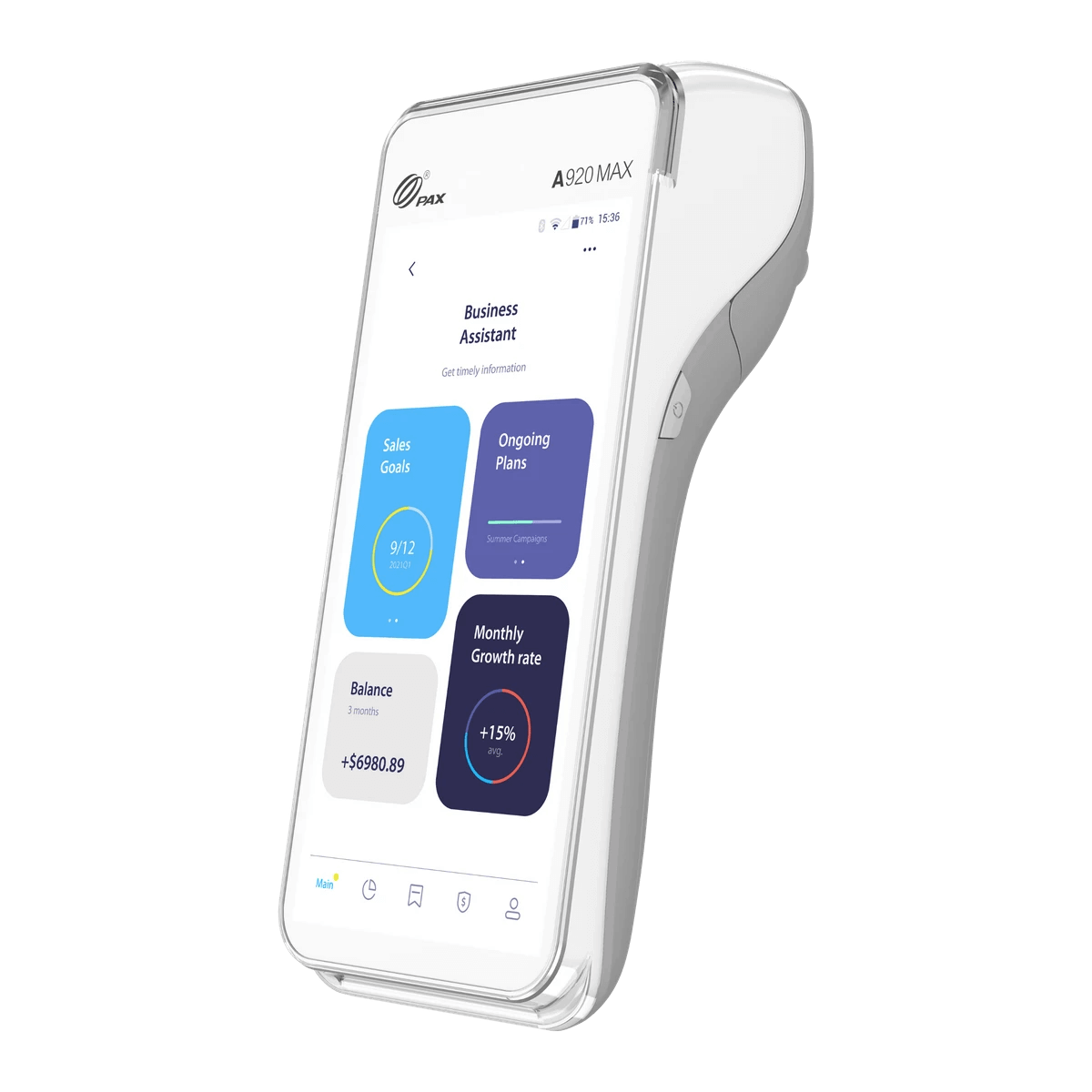
An EFTPOS terminal in Australia is a card payment device that accepts tap, chip, and swipe transactions via the global EFTPOS network and the domestic eftpos system. Transaction fees typically range from 1.4% to 1.6%, with terminals costing $99–$349 to buy or $19–$29 per month to rent. No-lock-in plans are widely available for small businesses.
According to AusPayNet, card payments in Australia now account for the overwhelming majority of retail transactions, with contactless payments alone representing over 95% of in-person card payments. For any business that wants to get paid quickly and professionally, choosing the right EFTPOS terminal matters more than ever in 2026.
APS serves hospitality, retail, health, and service businesses across Australia with merchant payment solutions built around transparency, flexibility, and real support. This guide covers everything Australian small business owners need to know before choosing a terminal — from how fees actually work to why contract terms can make or break your bottom line.
What Is an EFTPOS Terminal and How Does It Work in Australia?
An EFTPOS terminal is a point-of-sale device that electronically transfers funds from a customer's account to yours at the moment of a transaction. The key thing most business owners don't realise is that "EFTPOS" and "eftpos" are two different things in the Australian context.
Here's the distinction:
- EFTPOS (uppercase) — the global generic term for Electronic Funds Transfer at Point of Sale. It describes any card terminal that processes electronic payments.
- eftpos (lowercase) — the domestic Australian network operated by eftpos Payments Australia Ltd. This network processes debit card transactions specifically routed through local infrastructure.
When a customer taps, inserts, or swipes their card at your terminal, the device reads the card data, connects to the payment network, and requests authorisation from the customer's bank. That authorisation typically takes two to three seconds. Once approved, the funds are reserved and settlement occurs — usually the next business day, though same-day settlement is increasingly available.
Three payment methods your terminal must handle:
- Tap (contactless) — NFC-based, fastest for customers, now the dominant payment method in Australia
- Chip (EMV insert) — more secure than swipe, required for most card types
- Swipe (magnetic stripe) — legacy method, still supported but largely phased out for Australian-issued cards
Settlement is the process where your daily transactions are batched and paid into your nominated bank account. Most providers settle the next business day, though timing varies by provider and account type. Understanding your settlement cycle is critical for managing cash flow — especially in hospitality.
Types of EFTPOS Terminals Available in Australia
The right terminal type depends on how and where you take payments. There are four main categories, each suited to a different business setup.
1. Countertop Terminals
Best for: Hair salons, retail shops, medical clinics, front desks
Countertop terminals sit at a fixed checkout point and connect via Ethernet or Wi-Fi. They're reliable, easy to use, and ideal when all your payments happen at a single point. These are the most common EFTPOS machines for small business in Australia.
2. Portable Terminals
Best for: Restaurants, cafés, function venues, beauty therapists
Portable terminals connect via Wi-Fi and move freely within a premises — typically within 50–100 metres of the base unit. A restaurant in Sydney using tableside payment removes the need for customers to walk to a counter, reducing errors and improving the dining experience.
3. Mobile (4G) Terminals
Best for: Market stalls, tradespeople, food trucks, delivery drivers, pop-up retailers
Mobile terminals use a SIM card to connect via 4G cellular networks. They work anywhere with mobile coverage. For a weekend market vendor processing 80+ transactions across a Saturday, a mobile eftpos terminal with all-day battery life is not optional — it's essential. Without reliable 4G and 10+ hours of battery, you're turning customers away.
4. Smart POS Touchscreen Devices
Best for: Growing businesses needing an all-in-one solution
Smart terminals combine a touchscreen Android or iOS interface with payment processing. They run apps for inventory management, sales reporting, digital receipts, and more. These are effectively small computers that also take payments — popular with retail stores that want to consolidate hardware.
| Terminal Type | Connection | Best Use Case | Key Advantage |
|---|---|---|---|
| Countertop | Ethernet / Wi-Fi | Retail, salons, clinics | Reliability, simplicity |
| Portable | Wi-Fi | Restaurants, cafés | Freedom of movement on-premises |
| Mobile (4G) | Cellular SIM | Markets, tradespeople, food trucks | Works anywhere with signal |
| Smart POS | Wi-Fi / 4G | Multi-function businesses | All-in-one device + software |
Key Features to Look For in an EFTPOS Terminal
Not all terminals are equal. Before you sign anything, evaluate every option across these six criteria.
1. Build Quality and Battery Life
A portable or mobile terminal that dies at 2pm on a Saturday is a business liability. Look for terminals rated for at least 8–10 hours of active use. For countertop models, cable connection removes this concern — but screen durability and button responsiveness still matter in high-volume environments.
2. Transaction Fees
Transaction rates directly reduce your revenue. The industry range in Australia sits at 1.4%–1.6% per transaction for most small business plans. Some providers charge differently for Visa/Mastercard versus American Express — always ask for a full rate card before committing.
3. Value-Added Extras
The best contactless payment terminals do more than process payments. Look for:
- Online payment capabilities (e-commerce or invoice links)
- Real-time sales reporting and end-of-day summaries
- Digital receipts via SMS or email
- Multi-user access for staff management
4. Contract Terms
This is where many businesses get caught. A 24-month locked contract with early exit fees can cost hundreds of dollars to escape. No-lock-in contracts are now widely available — and they should be your default preference.
5. Sign-Up Transparency
Watch for hidden fees at the application stage: activation fees, setup fees, PCI compliance fees, and statement fees. A trustworthy provider shows all fees clearly before you sign.
6. Customer Support
When your terminal goes down mid-service, you need a human on the phone — not a chatbot. Check whether your provider offers Australian-based support and what the response time guarantee is.
APS addresses all six of these criteria with a merchant payment solution built for Australian business conditions — transparent fees, no lock-in contracts, and real support when it counts.
How EFTPOS Fees Work — and What They Actually Cost Your Business
EFTPOS fees in Australia fall into three main categories: transaction rates, terminal costs, and ancillary charges. Understanding each prevents bill shock.
Transaction Rates
The most common pricing model is a flat percentage per transaction. For most small businesses, rates sit between 1.4% and 1.6% per transaction. Competitors like Square and Zeller publish flat rates publicly — Square charges 1.6% per tap/chip/swipe for in-person transactions, while Zeller's pricing varies by plan.
Some providers offer blended rates (one rate for all cards) while others use interchange-plus pricing (which passes the actual network cost through to you). Blended rates are simpler to budget for; interchange-plus can save money at high volumes.
Terminal Hardware Costs
You have two options:
- Purchase outright: $99–$349 depending on the terminal model and features
- Rental/lease: $19–$29 per month
Buying outright costs more upfront but eliminates ongoing hardware fees. Renting suits businesses with tight cash flow or those who want to upgrade hardware regularly without capital outlay.
Ancillary Fees to Watch
| Fee Type | Typical Range | Notes |
|---|---|---|
| Monthly service fee | $0–$30 | Some providers bundle this with rental |
| PCI compliance fee | $0–$10/month | Should be included, not an add-on |
| Chargeback fee | $15–$35 per case | Varies significantly by provider |
| Early termination fee | $0–$500+ | Critical to check before signing |
| EFTPOS paper rolls | $0–$5 | Less relevant with digital receipts |
Surcharging to Offset Fees
Under RBA guidelines, Australian merchants are permitted to pass transaction costs on to customers as a surcharge — provided it does not exceed the actual cost of acceptance. This is a legal and widely-used method of managing transaction costs, particularly in hospitality.
Surcharging, Settlements and Refunds Explained
Surcharging, settlement timing, and refund handling are three operational realities every Australian merchant needs to understand before going live.
Surcharging Under RBA Rules
The Reserve Bank of Australia's surcharging framework allows merchants to pass on the cost of accepting card payments — but the surcharge cannot exceed your actual cost of acceptance. Excessive surcharging is illegal and enforced by the ACCC.
In practice, this means:
- You can charge a 1.5% surcharge if your cost of acceptance is 1.5%
- You cannot charge 3% to make a profit on the surcharge
- The surcharge must be disclosed clearly before the customer pays
A Melbourne café charging a flat 1.5% card surcharge during peak periods effectively offsets its transaction fees without any impact to its pricing menu — a straightforward, compliant approach used across the hospitality industry.
Settlement Timing
- Next-day settlement — funds from Monday's transactions arrive Tuesday. Standard across most Australian providers.
- Same-day settlement — available with select providers. Funds from morning transactions can arrive the same afternoon. This materially improves cash flow for high-turnover venues like cafés and restaurants.
For a hospitality business turning over $10,000 per week in card payments, the difference between same-day and next-day settlement can mean $1,000–$2,000 sitting in limbo at any given time.
Processing Refunds
Most terminals process refunds directly through the original card. Key things to confirm with your provider:
- Can staff process refunds without manager approval?
- Is there a fee per refund transaction?
- How long does the refund take to appear in the customer's account?
A clean, fast refund process protects your reputation and reduces the risk of chargebacks — which cost more and take longer to resolve.
EFTPOS Terminals That Integrate With Your POS System
POS integration means your eftpos terminal and your point-of-sale software communicate directly — so the sale amount is sent automatically to the terminal without manual re-entry.
Without integration, a staff member has to type the sale amount into the terminal themselves. At volume — say, a busy Friday night restaurant doing 150 covers — that manual step introduces error and slows down service.
How Integration Works
Most modern terminals integrate via one of three methods:
- Direct API integration — the terminal connects to the POS software through a shared API, enabling two-way communication
- Cloud-based middleware — a third-party connector bridges the terminal and POS system
- Native integration — the terminal is purpose-built for a specific POS platform
What to Look For
- 600+ POS integrations — leading payment providers in Australia support hundreds of software platforms, from Lightspeed and Kounta to Xero and MYOB. This ensures you can pair your terminal with your existing setup without switching software.
- Real-time sync — sales data flows into your reporting tools automatically
- Split payment support — important for hospitality and retail environments
When evaluating a card payment terminal in Australia, always confirm your POS software is on the provider's integration list before committing. APS works with a wide range of POS systems across retail, hospitality, and health — making the transition straightforward for most businesses.
Contract Lock-In vs. Flexible Plans — What Australian Businesses Should Demand
The single most expensive mistake Australian small business owners make with EFTPOS terminals is signing a locked contract without reading the exit terms.
What Lock-In Contracts Actually Mean
Traditional bank-issued terminals — common with providers like Westpac Presto and the major bank-affiliated payment services — often come with 24-month minimum terms and early termination fees ranging from $200 to $500+. Some include automatic rollover clauses that extend the contract if you don't cancel within a specific window.
This locks you in even if:
- Your transaction fees become uncompetitive
- A better terminal becomes available
- Your business model changes
- You close or sell the business
The No-Lock-In Alternative
Providers like Square, Zeller, PayNuts, and APS offer no lock-in eftpos contracts — you pay month to month and can cancel at any time without penalty. This model puts control back in the hands of the merchant.
Before signing any eftpos terminal agreement, check:
- Is there a minimum contract term? (If yes, how many months?)
- What is the early termination fee?
- Is there an automatic renewal clause?
- Are there any minimum monthly transaction requirements?
- What happens to the hardware if you cancel?
A café owner in Melbourne who switched from a 24-month bank-issued terminal contract to a no-lock-in solution found they not only reduced their monthly rental cost but gained access to better reporting tools and same-day settlement — without any exit fee or lock-in exposure going forward.
What Flexible Plans Look Like
| Feature | Lock-In Contract | No Lock-In Plan |
|---|---|---|
| Minimum term | 12–36 months | None |
| Early exit fee | $200–$500+ | $0 |
| Auto-renewal clause | Often yes | No |
| Hardware ownership | Provider's | Often yours |
| Fee transparency | Varies | Clear upfront |
| Flexibility to switch | Low | High |
APS offers merchant payment solutions in Australia with no lock-in contracts — giving small businesses the freedom to scale, change, or cancel without financial penalties.
Why APS Is a Smart Choice for Australian Businesses Needing an EFTPOS Terminal
Choosing the right eftpos terminal in Australia comes down to four things: fair fees, flexible terms, reliable hardware, and real support. APS delivers on all four.
Small businesses across hospitality, retail, health, and professional services use APS because the offer is straightforward — transparent pricing, no lock-in contracts, terminals that work, and support from people who understand Australian merchant conditions.
Here's what sets APS apart from the alternatives:
- No lock-in contracts — you're never trapped, and there are no exit fees
- Transparent transaction fees — no hidden charges or surprise line items on your statement
- Terminals suited to every business type — countertop, portable, mobile, and smart POS options
- Broad POS integration — works with leading Australian POS platforms across hospitality, retail, and health
- Surcharging support — compliant with RBA guidelines so you can offset transaction costs legally
- Australian-based support — real help when you need it, not a ticketing queue
Whether you run a food truck processing 80 transactions at a Sunday market, a medical clinic taking payments at the front desk, or a retail store managing inventory alongside payments, APS has a solution built for your environment.
The eftpos terminals Australia market is competitive in 2026 — and that's good news for small businesses. But competition also means more fine print, more promises, and more contracts to read carefully. APS makes the decision simple: no lock-in, fair fees, and terminals that work.
Ready to Find the Right EFTPOS Terminal for Your Business?
Stop paying for locked-in contracts, hidden fees, and hardware that doesn't match your business. APS makes it simple for Australian businesses to accept card payments with transparent pricing, no lock-in terms, and terminals built for real-world conditions.
Whether you're running a café in Melbourne, a retail store in Brisbane, a health clinic in Sydney, or a mobile business anywhere in Australia — there's an APS solution designed for your setup.
Get started today at [aps.business](https://aps.business) and find the right EFTPOS terminal for your business.


